"All signs larger than 16 square feet, and all signs in the Historic District."
That's not a slogan. It's a line item straight out of the City of Gallipolis's own permit checklist, the one the Construction and Zoning Department hands out before anyone touches a structure downtown. Read it twice and you'll notice what it doesn't say. It doesn't mention windows. It doesn't mention siding, paint, or porch railings. It singles out signs for special treatment in the Historic District.
If you're buying or selling a pre-1900 house in Gallipolis's historic core, that single sentence is worth more than any generic "what to know about historic homes" checklist you'll find elsewhere. Most buyers walk in assuming a design review board is going to weigh in on their exterior color scheme. Most sellers assume the same thing is holding back their renovation budget. The actual friction in these transactions shows up somewhere else entirely: in the plumbing.
What the Permit List Actually Says
Gallipolis's code enforcement office publishes a plain list of what triggers a building permit citywide. It covers new structures, additions, and alterations, including porches, canopies, and awnings. It covers demolition. It covers fences over four feet, paving jobs over 100 square feet, pools over 3,000 gallons, and any development in the floodplain.
Signs are the exception. The list calls out new signs larger than 16 square feet everywhere in the city, then adds a second, separate clause requiring a permit for any sign at all inside the Historic District, regardless of size.
Practically, that matters less for a family buying a house to live in and more for anyone thinking about a home-based business, a bed and breakfast, or a short-term rental in the historic core, where exterior signage is part of the plan. For a straightforward residential sale, it's a detail worth knowing but not one that should change your timeline.
Two Districts, Two Names, One Office
The city's zoning code lists two overlays inside its historic core: the HRD, or Historic Residential District, and the HUSD, or Historic Urban Square District. They're separate zoning chapters sitting alongside the more familiar R-1, R-2, and General Commercial designations, which tells you the two historic districts carry their own use and lot standards rather than functioning as a blanket overlay on top of standard zoning.
Before you list a historic home, or write an offer on one, it's worth a call to the Construction and Zoning Department, open weekdays from 7:30 a.m. to 3:30 p.m., to confirm which of the two districts a specific parcel sits in. A house a block off the square may fall under different standards than one three blocks away, even if they look identical from the sidewalk.
Here's the gap between what most people assume and what the city's own list actually says:
| What buyers and sellers assume | What the code enforcement list actually says |
|---|---|
| A design review board approves paint colors and window styles | Paint and window color aren't on the permit trigger list at all |
| Any exterior change needs special historic clearance | Additions, alterations, fences, and paving appear on the permit trigger list |
| The historic designation is mostly a formality | The permit list calls out signs in the Historic District |
| Building permits are issued by a preservation commission | Under the building permit ordinance, permits are issued by the City Manager |
None of this means the historic designation is meaningless. It means the actual leverage point is narrower, and more specific, than the reputation these districts carry.
What's Actually Behind the Plaster
The real cost driver in Gallipolis's historic core isn't regulatory. It's structural, and it comes from the age of the housing stock itself.
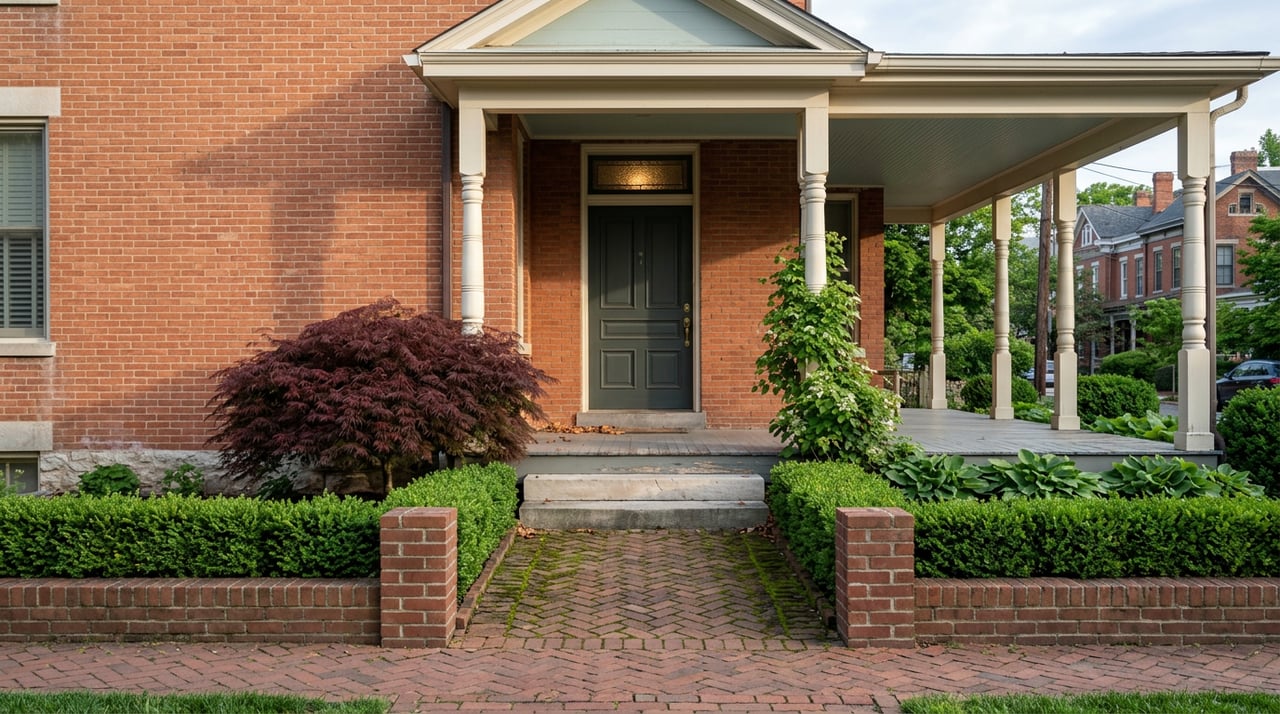
Gallipolis's inventory includes French-colonial-influenced architecture, Victorian and Italianate homes, four-squares, and brick row houses alongside mid-century ranches and newer construction, with pre-1900 homes far from rare. Craftmasters Remodeling, which works on properties throughout Gallipolis and Gallia County, points to the same recurring pattern across these older homes: foundation and basement work, and plumbing replacement, since galvanized and cast iron pipe are common in houses this age.
That's the detail worth building your timeline around. A buyer's inspection on a pre-1900 Gallipolis home is far more likely to surface a plumbing or foundation finding than an exterior compliance issue. A seller who gets ahead of that, with a plumber's assessment of pipe material and a basic foundation check before listing, walks into negotiations with answers instead of surprises. A buyer who budgets for it going in isn't blindsided by a repair estimate mid-contract.
This is the actual mechanism behind why these transactions take the shape they do. Not a commission deciding whether your storm door fits the district's character, but a home inspector running a flashlight along a hundred-year-old drain line.
Budgeting for Pipes, Not Paint
If you're selling, the practical move is straightforward: have your plumbing and foundation looked at before your first showing, not after your first offer. Knowing whether you're dealing with galvanized supply lines or a cast iron stack lets you either address it ahead of time or price the home with that reality already built in, rather than renegotiating under a deadline.
If you're buying, treat a plumbing and foundation review as standard due diligence on any home in this part of Gallipolis built before the 1950s, the same way you'd treat a roof inspection anywhere else. It's not a red flag specific to one house. It's a known characteristic of the era, and knowing that going in changes how you read an inspection report.
None of this shows up on a listing sheet. It shows up in the negotiation, which is exactly why it's worth knowing before you're in one.
The Blocks You're Actually Buying Into
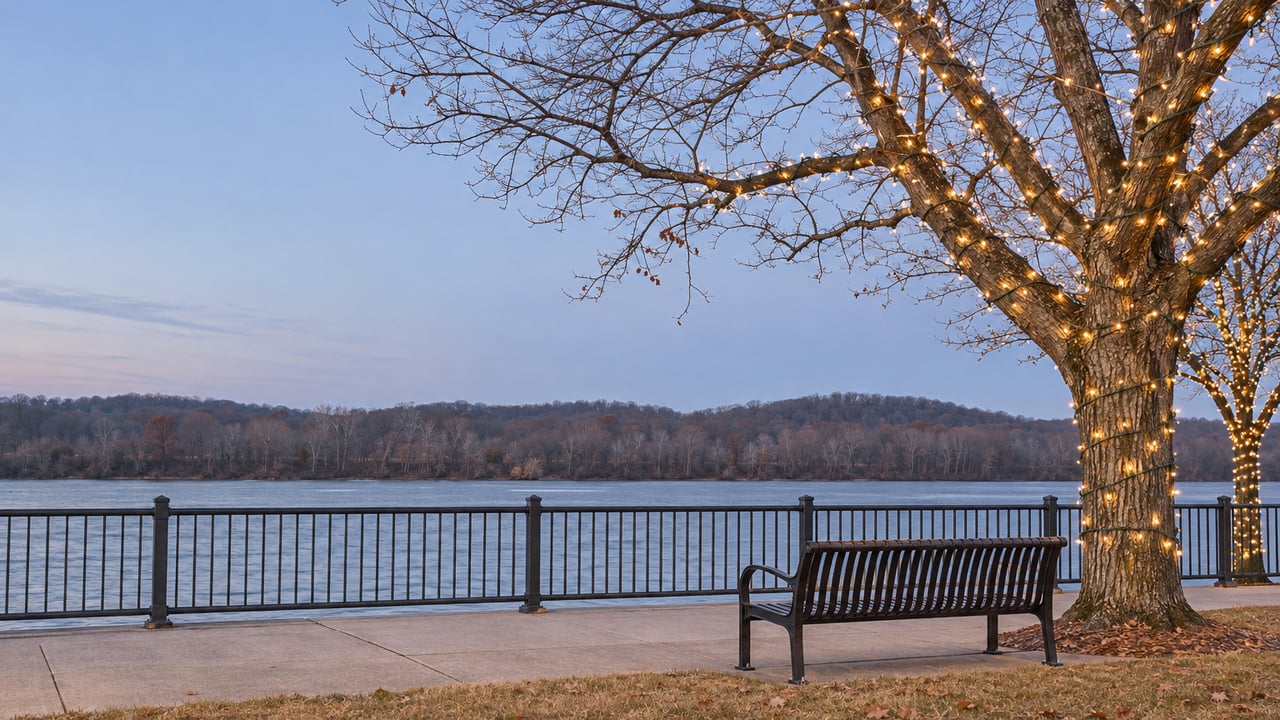
All of this regulatory and structural detail sits inside a place people choose to live in for reasons that have nothing to do with permits. Gallipolis's historic core wraps around the French Quarter, where the Our House Tavern Museum preserves the city's founding history for the Gallia County Historical Society, a short walk from the Ariel-Foundation Performing Arts Centre. Gallipolis City Park runs along the Ohio River within view of the Silver Memorial Bridge, which carries traffic across to West Virginia.
If you're touring homes in this area this fall, know that the city began milling and paving 4th Avenue starting September 15, 2026, work expected to run into the following weeks, so plan for some traffic disruption if your search takes you through that stretch. It's the kind of temporary, dated detail that only matters if you're actually walking these blocks right now, which is exactly the point.
One more number worth knowing if you're weighing a move inside city limits versus a township address nearby: Gallipolis's municipal income tax rose to 1.5 percent as of January 1, 2026, following a November 2025 vote. It's not a reason to rule the historic core in or out. It's simply part of the real cost of ownership that a median home price alone won't tell you.
A Few Questions Worth Asking
Do I need a permit to repaint the exterior of a historic home in Gallipolis? Paint isn't on the city's published permit trigger list. The list covers new structures, additions, alterations, demolition, fences over four feet, signs, paving over 100 square feet, pools over 3,000 gallons, and floodplain development. If your project falls outside those categories, confirm with the Construction and Zoning Department directly, since the safest step before any exterior work is a quick call rather than an assumption.
What's the difference between the Historic Residential District and the Historic Urban Square District? They're two separate chapters in the city's zoning code, HRD and HUSD, each covering its own area of the historic core. The boundary between them isn't something you can eyeball from the street, which is why it's worth confirming with the city before you list or make an offer.
Will buying in the historic district affect my inspection or insurance? The historic designation itself doesn't change what an inspector looks for. What changes the inspection findings is the age of the house. A pre-1900 property is more likely to turn up plumbing material and foundation items than a newer build, regardless of which zoning district it sits in.
If you're weighing a historic Gallipolis property, whether you're the one selling it or the one about to fall in love with its trim work, The Amanda Wilson Team can walk the specifics with you before you list or write an offer. Reach out for a free home valuation and a straight answer on what your particular address actually requires.
This article is general information, not legal, tax or financial advice. Consult a qualified professional about your situation.