Thinking about selling your rural home near Gallipolis? You may have more to prepare than a typical in-town listing. When land, outbuildings, private utilities, and access all affect value, buyers need clear answers before they feel ready to make an offer. This guide walks you through what matters most so you can reduce surprises, present your property well, and attract today’s buyers with confidence. Let’s dive in.
Why rural homes need a different plan
Selling a rural property in Gallia County is rarely just about the house. The county spans 471 square miles with rolling hills and Ohio River geography, and that means features like acreage, driveways, barns, fencing, and private systems often shape buyer interest and pricing as much as the home itself.
That is why preparation needs to go beyond fresh paint and tidy rooms. Buyers want to understand how the whole property functions, what is included, and whether there are any issues they should know upfront.
Price with precision
Recent market snapshots point to one clear takeaway: buyers are still selective, so pricing needs to be well supported. Public data for Gallia County and Gallipolis shows different median price and timing figures depending on the source and reporting window, but the broader pattern suggests that a thoughtful asking price matters.
For a rural home, pricing gets even more specific. A home on acreage is not always comparable to a similar square footage home in town. Land use, outbuildings, road access, utility setup, and condition all affect what buyers may be willing to pay.
What buyers are evaluating
When buyers look at a rural property near Gallipolis, they are often weighing more than bedrooms and bathrooms. They may also be asking:
- How usable is the land?
- Are the barns or sheds in solid condition?
- Is the driveway easy to access?
- What kind of water and sewer systems serve the home?
- Are there easements, shared driveways, or boundary questions?
- Is the property in a flood hazard area?
The more clearly your listing answers those questions, the easier it is for buyers to move forward.
Start with the whole property
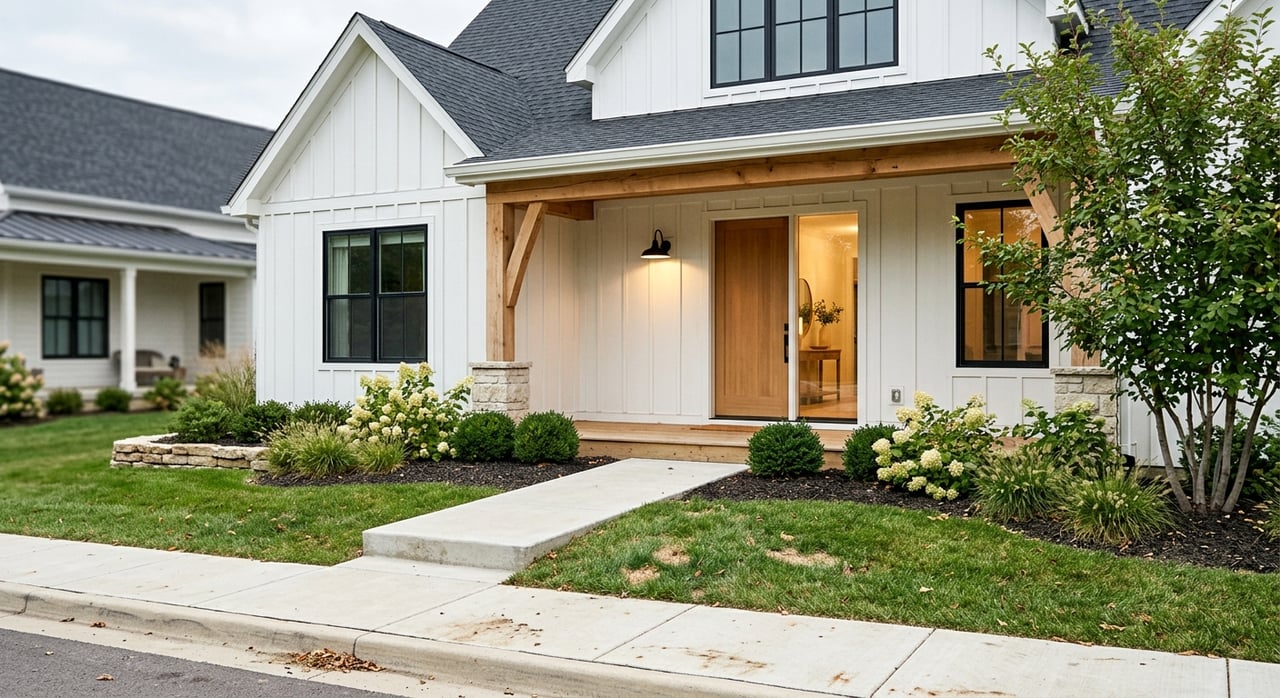
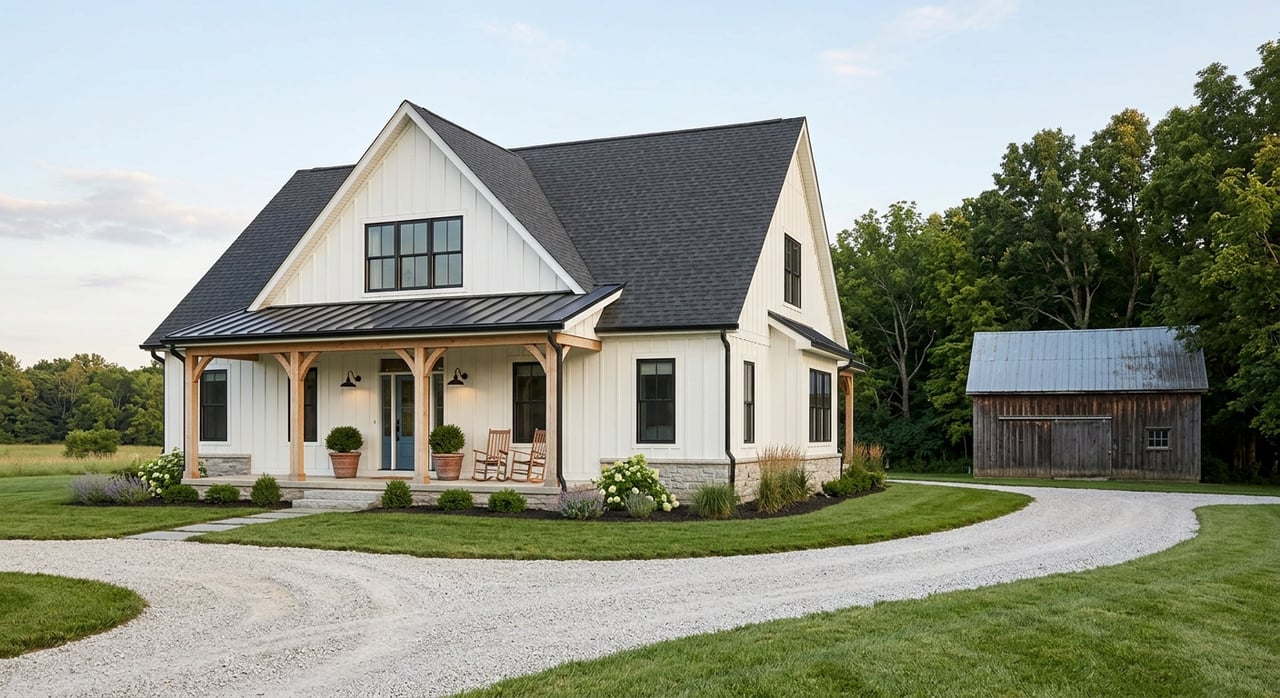
A strong rural listing starts outside. Buyers form opinions before they ever step through the front door, and on a country property that includes the entrance, road frontage, driveway approach, porches, garage areas, and visible land.
Take a walk across your property as if you were seeing it for the first time. Look for overgrown areas, scrap piles, worn fencing, clutter around barns, or anything that makes the property feel harder to understand or maintain.
Focus on clarity, not perfection
You do not need to turn your property into something it is not. You do want it to feel cared for, functional, and easy to read.
That may mean:
- Mowing and trimming around the house and key outdoor features
- Clearing paths to barns, sheds, or fenced areas
- Organizing equipment and storage zones
- Removing broken or unused items from visible areas
- Making gates, doors, and access points easy to open and view
If acreage is part of the value, buyers should be able to grasp that quickly from both the in-person visit and the online listing.
Prep the house like buyers will compare it online
Most buyers begin online, and photos remain one of the most valuable parts of a listing. That means your home needs to show well on screen before buyers ever decide whether to schedule a tour.
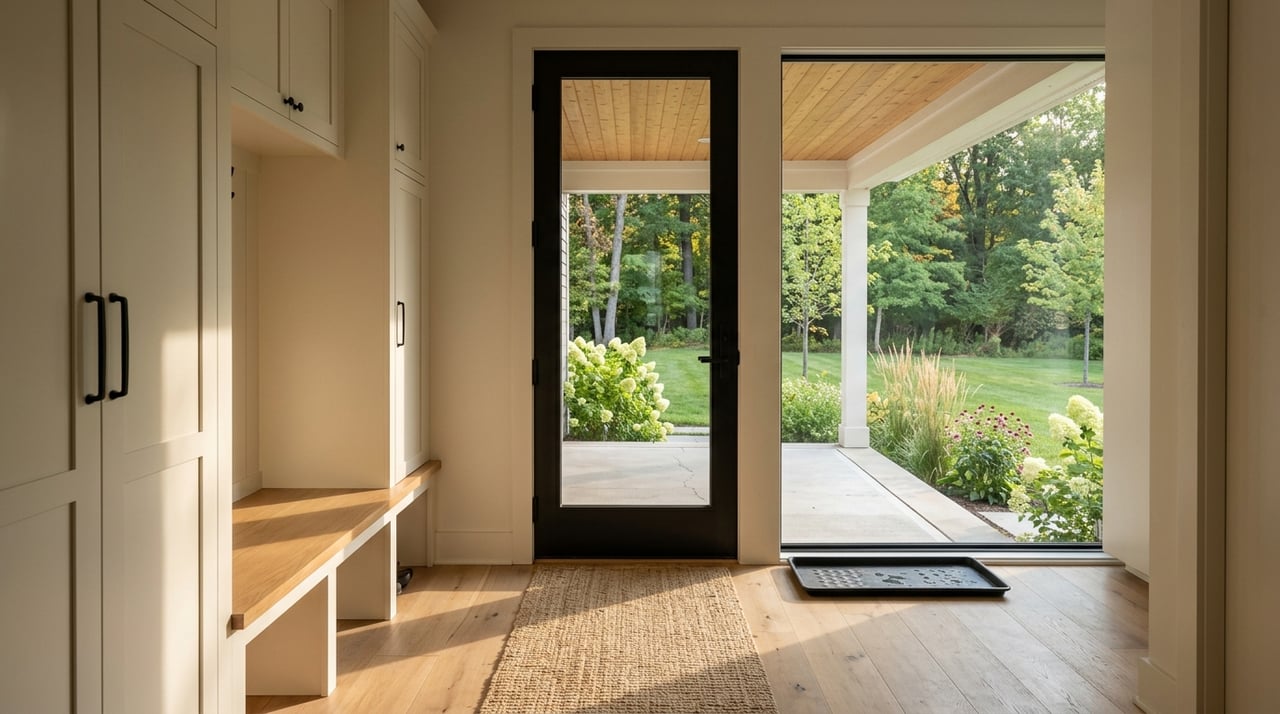
Basic prep still matters. Clean, declutter, repair obvious issues, and depersonalize the space enough that buyers can picture their own life there. In a rural home, also pay close attention to mudrooms, utility spaces, enclosed porches, garages, and storage areas, because buyers often expect those parts of the home to work hard.
Key interior areas to review
Give extra attention to spaces that help explain daily life on the property:
- Entry and mudroom areas
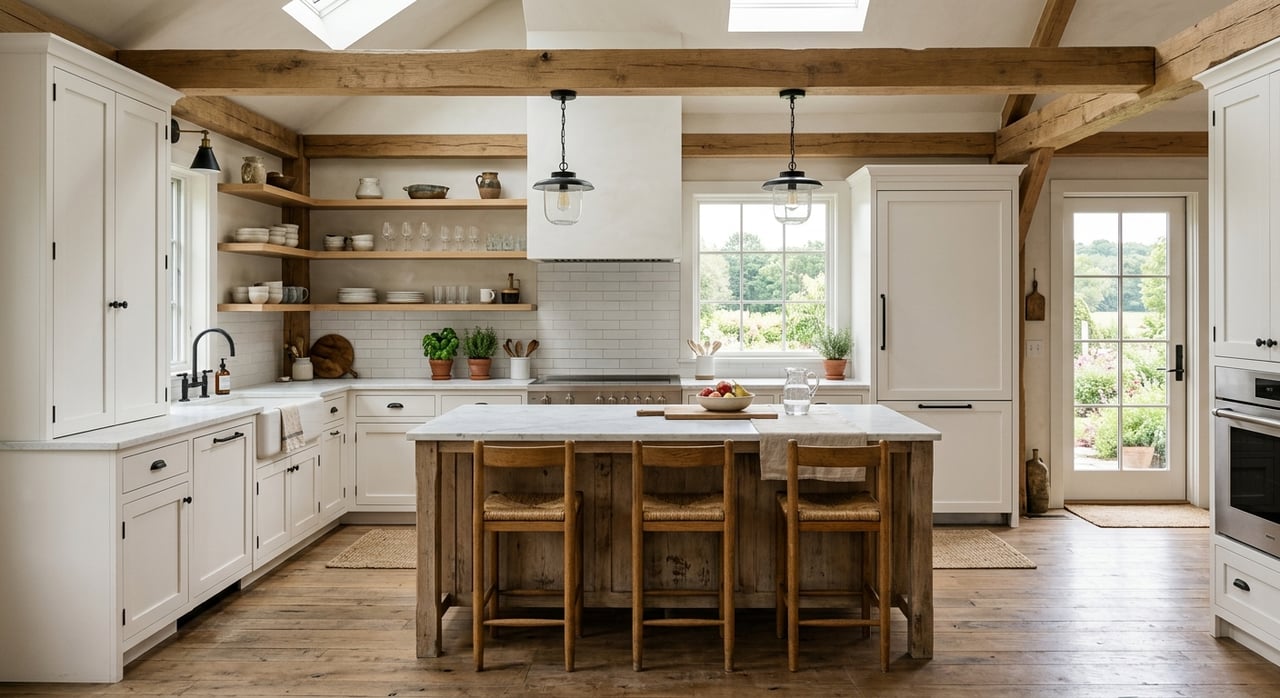
- Kitchens and laundry rooms
- Basement or crawl-space access points
- Utility rooms
- Garages and attached workshops
- Enclosed porches and back entry spaces
These spaces can either build confidence or raise questions. Clean presentation helps buyers focus on the opportunity, not the unknowns.
Make barns and outbuildings understandable
Outbuildings can be a big selling point, but only if buyers understand their condition and use. A barn, shed, detached garage, or workshop should not feel like a mystery.
Clear out obvious clutter, improve access, and make each structure easy to walk through. If a building has a practical purpose, such as storage, hobby use, animals, or equipment space, your listing should help buyers understand that without overstating anything.
Honest presentation matters
Accurate marketing is especially important with rural properties. Buyers can feel misled when photos make a property seem better than it is, and overpromising usually backfires once showings begin.
That means it is better to show the property honestly and clearly than to hide deferred maintenance, drainage concerns, access challenges, or the real condition of outbuildings. Strong marketing should build trust, not confusion.
Gather well, septic, and property records early
One of the best things you can do before listing is gather your records. Ohio's residential property disclosure form asks about issues that often matter on rural properties, including water sources, sewer systems, leaks, moisture, flood-related damage, hazardous materials, underground tanks or wells, mineral leases, boundary disputes, shared driveways, encroachments, and other known material defects.
If you wait until a buyer is under contract to sort through those details, you may lose time or create avoidable stress. Early preparation helps you answer questions faster and with more confidence.
Important documents to locate
Before your home goes live, try to gather:
- Well, spring, or cistern records if applicable
- Septic permits, certifications, and service history
- Water test or bacterial sampling results if available
- Pumping or maintenance records
- Survey plats
- Deed information
- Easement or shared access documents
- Any known repair records for major systems
The Gallia County Health Department handles private water system permits, certifications, and bacterial sampling, and it also provides information related to sewage system certifications and re-inspections. For sellers with private utilities, those records can be especially helpful.
Review boundaries, access, and recorded issues
Rural properties sometimes come with older deed language, shared lanes, long driveways, or access arrangements that are not obvious at first glance. The Gallia County Recorder keeps land records and deeds, while the county auditor maintains appraisal, GIS, conveyance, and CAUV materials.
Before listing, it is smart to review what is recorded and what a buyer may ask about. This is especially important if your property has a shared driveway, a private lane, a shared water line, or boundary lines that have not been revisited in years.
Why this step matters
Buyers tend to slow down when access or boundaries feel unclear. If you can explain those details early, you may avoid confusion during showings, inspections, or title work.
Simple clarity goes a long way. Even if an issue is not a deal breaker, buyers usually respond better when they feel informed rather than surprised.
Check CAUV if your land is in agricultural use
If your acreage is enrolled in CAUV, that deserves attention before you sell. The Gallia County auditor states that qualifying agricultural use, acreage thresholds, income rules for smaller parcels, filing deadlines, and recoupment concerns can all affect how the program applies.
You do not need to solve that alone, but you do want to ask questions early. A sale or a change in use could affect taxes, so it is wise to speak with the county auditor or a tax professional before your property hits the market.
Do not overlook flood and lead disclosures
Some rural properties near Gallipolis may face flood-related questions, especially near the Ohio River or in lower-lying areas. Gallia County keeps flood maps and floodplain information through its Floodplain Office, and those details may matter to buyers evaluating risk, insurance needs, or future plans for the property.
If your home was built before 1978, lead-based paint disclosure may also apply. Sellers of older homes should be prepared to disclose known information as required.
Time your listing for the best presentation
In southern Ohio, the landscape can look very different depending on the season. Ohio State's agronomy guidance places the median last freeze around April 15 in southern Ohio, with the first autumn freeze coming after October 20 in parts of the region.
For many rural listings, late spring through early fall offers the best visual window. Grass is greener, fields show better, driveways and outdoor spaces are often easier to photograph, and buyers can more easily understand how the land lays.
Why timing affects marketing
If the acreage is part of the appeal, muddy ground or bare winter fields may not tell the full story. That does not mean you cannot sell in winter, but it does mean your media plan needs to be thoughtful.
Try to have photography and any aerial media completed while the property is showing at its best. Once that window passes, it may be harder to capture the features that help buyers connect with the setting.
Use polished media to tell the full story
Rural listings usually need more visual explanation than a standard neighborhood home. Buyers want to see the house, but they also want context around the land, outbuildings, driveway, and layout.
A strong media plan may include photos, video, floor plans, and drone imagery when appropriate. For acreage properties, aerial views can help buyers understand tree lines, field edges, water features, road approach, and how the buildings relate to the land.
What your listing should show
Your online presentation should help buyers quickly understand:
- The house from the road
- The driveway approach
- Main indoor living spaces
- Porch and outdoor living areas
- Barns, sheds, and detached buildings
- Open ground, tree lines, and fenced areas
- Pond, creek, or landscape features if applicable
- The overall layout of the property
The goal is not to make the property look bigger or easier than it is. The goal is to help buyers understand it clearly enough to take the next step.
Reduce uncertainty to attract stronger interest
Today's buyers are trained to look for details online before they ever schedule a showing. They want photos, useful property information, and a realistic sense of condition.
That is especially true for rural homes near Gallipolis. The more uncertainty you remove about land, systems, access, and upkeep, the easier it becomes for the right buyer to picture saying yes.
If you are preparing to sell a rural home in Southeast Ohio, the right strategy can make a meaningful difference in both buyer response and the overall experience. When you want local guidance, polished presentation, and a team that understands how to market house-plus-land properties well, connect with Amanda Wilson.
FAQs
What should sellers do first when preparing a rural home near Gallipolis?
- Start by gathering property records, reviewing condition issues, and walking the full property to identify anything that could confuse buyers, including access, private utilities, outbuildings, and visible maintenance concerns.
How do buyers evaluate acreage properties in Gallia County?
- Buyers often look beyond the house itself and consider land usability, outbuilding condition, driveway access, water and sewer setup, boundaries, easements, and possible flood exposure.
Do rural home sellers in Gallia County need septic or well records?
- Many sellers benefit from collecting permits, certifications, service history, and test results for private water and sewage systems before listing so they can answer buyer questions more clearly.
What disclosures matter for older or rural homes near Gallipolis?
- Ohio's disclosure form asks about private water and sewer systems, moisture, flood-related damage, hazardous materials, wells, mineral leases, boundary disputes, shared driveways, encroachments, and other known material defects, and homes built before 1978 may also require lead-based paint disclosure.
When is the best time to list a rural property in Southeast Ohio?
- Late spring through early fall often gives rural properties stronger visual appeal because the landscape is greener and outdoor features are easier to photograph and understand.
Why is marketing so important for a rural home near Gallipolis?
- Rural listings usually need more explanation than in-town homes, so strong photos, accurate property details, and clear presentation of land, access, utilities, and outbuildings can help buyers feel more confident about the property.